A practical guide for B2B podcasts: common mistakes and how to overcome them
Podcasting as a revenue tool is hard for B2B brands because too many make tactical mistakes that erode trust and turn customers off before any monetization can work. If your podcast feels like an infomercial, you’ve already lost—infomercials belong on late-night TV, not in your show that should aim to build relationships, credibility, and attention over time.
What kills B2B podcast performance (and revenue)?
Starting with a sales pitch. Launching a podcast to drive leads then using every episode to hawk products or features trains customers to tune out. Podcasts succeed by delivering consistent value first; conversions come after trust is earned.
Vanity is an echo chamber (much like you find in C suites). Your customers don’t care what you think about their problems. They only care if you can be trusted to solve their problems.
Skipping audience research. Many B2B shows assume their ideal buyers want vendor-centric content. They don’t. Buyers want actionable insight, real-world stories, and perspectives that help them do their job better. If you don’t map episodes to buyer problems, you’ll produce noise.
Talking down to listeners (read that: your customers). Too many B2B podcasts lead with sympathy in regards to customer pain, when they should lead with empathy. Your podcast should know the difference. In the words of Brené Brown, renowned author of books about vulnerability and relationships, sympathy tells someone you’re sorry they’re down in that hole; empathy tells someone “I’m sorry, I know what it’s like to be down in that hole.”
Poor format and pacing. Long monologues about your product roadmap or dense, unstructured interviews lead to drop-off. B2B listeners are time-sensitive; they need clear takeaways, tight structure, and an engaging host.
Over-reliance on ego interviews. Talking to one another about awards, company moves, or the same conference panels doesn’t move the needle. Listeners reward fresh viewpoints, candid failures, and vendors who show they understand the buyer’s world.
Ignoring production quality and distribution. Bad audio, inconsistent release cadence, and weak show notes kill discoverability and credibility. If your podcast sounds amateurish, it undermines the “trusted advisor” position you’re trying to claim.
Monetizing too soon or clumsily. Native ads, promos, and product plugs can work — but only after you’ve built an attentive audience. Plastering each episode with calls-to-action for demos and discounts turns episodes into interruptions, not content.
How trust actually converts
Essentially, a new B2B podcast must commit to “buying” customer trust before they ever decide to purchase your product.
Teaching is selling. Episodes that solve specific job-to-be-done problems (e.g., “how to reduce churn in Q3,” “vendor selection frameworks”) position your brand as useful. That usefulness becomes the pathway to commercial conversations.
Show, don’t lecture. Case studies presented as stories—complete with conflict, tradeoffs, and measurable outcomes—are far more persuasive than feature lists.
Use host-led relationships. A consistent host who asks the right questions and models your brand’s voice builds familiarity. Hosts act as a bridge: listeners trust the host and, by extension, the guests and sponsoring brand.
Make customers the hero. Frame content around the customer’s goals and constraints, not your product. When listeners feel understood, they’re more open to solutions from the brand that helped them.
Create low-friction next steps. Instead of “Buy now,” offer micro-conversions: checklists, templates, short webinars, an assessment, or a diagnostic. These maintain value-first positioning while funneling interested listeners to sales-ready moments.
A practical roadmap to monetize without alienating
Define the customer problem set.
Map episodes to specific roles and pain points. Each episode should answer: “What will this listener be able to do better after 20 minutes?”
Build a content-first launch plan.
Commit to 12–24 high-value episodes before heavy monetization. Use that runway to refine format, measure retention, and establish authority.
Design a repeatable episode template.
Quick opener (30–60s), 2–3 focused segments, a concise takeaway, and a single clear resource. Keep episodes 20–35 minutes unless your audience prefers longer deep-dives.
Integrate storytelling and evidence.
Use customer stories and data to demonstrate outcomes. Normalize talking about tradeoffs—this signals honesty.
Optimize production and distribution.
Invest in sound quality, consistent release schedule, and SEO-friendly show notes. Promote episodes through email, LinkedIn, and targeted sponsorships to reach buyer audiences.
Introduce monetization subtly and strategically.
Start with content upgrades and sponsored episodes aligned to listener needs. Move to bespoke lead magnets and gated assets tied to episode learnings. Only after consistent engagement introduce product offers—position them as solutions to problems you’ve already addressed on the show.
Measure the right metrics.
Track downloads and retention, but prioritize engagement signals tied to revenue: micro-conversion rates, asset downloads, demo requests attributed to episodes, and pipeline influenced.
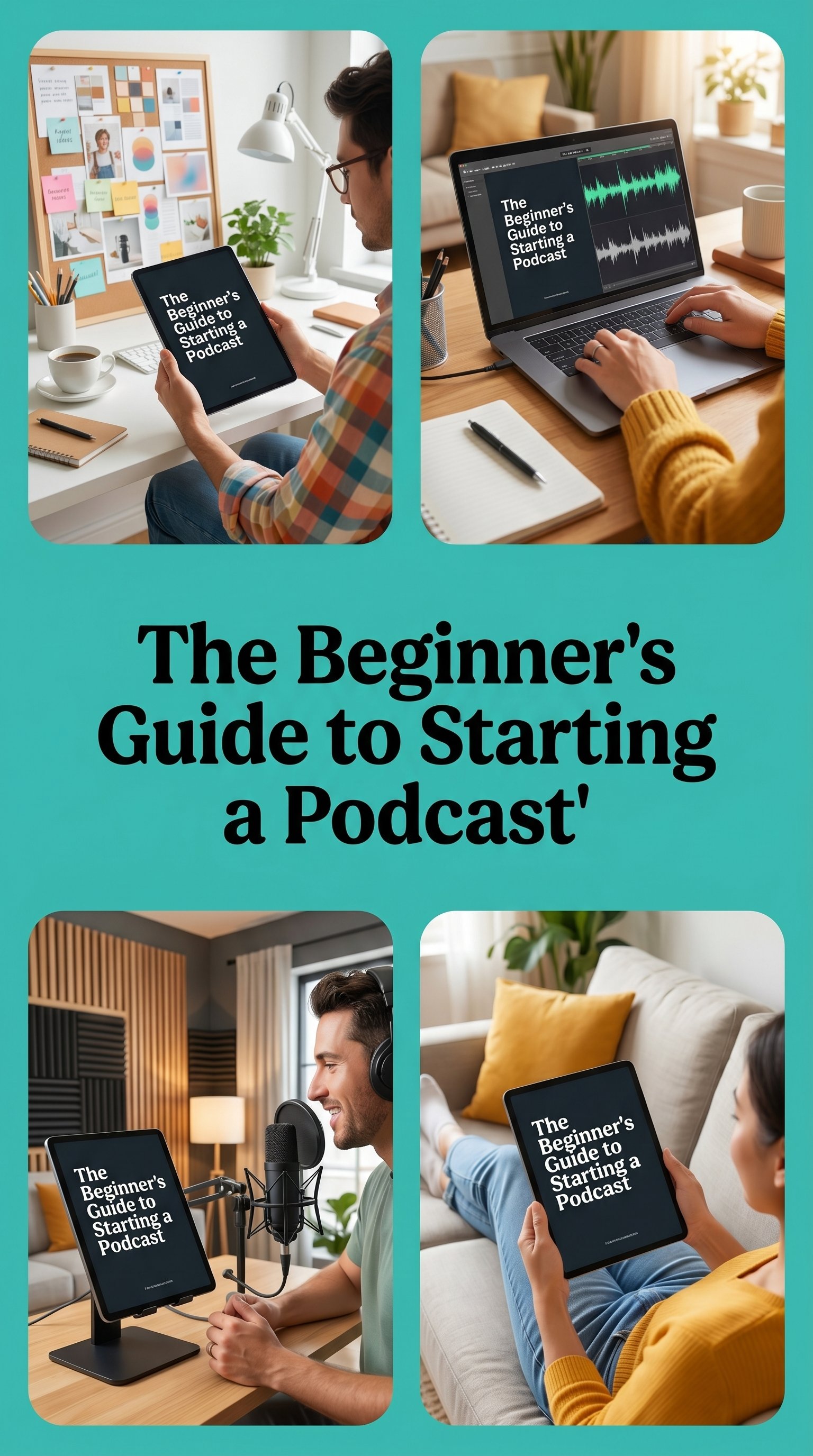
Your podcast idea deserves a plan. I successfully produced, released, and promoted three B2B podcasts with over 250 episodes reaching thousands of subscribers. It took commitment to growth and formulating a plan of action.
In my experience, the podcasters who succeed are the ones who treat their show like a real project, with real intention behind it.
Think of this document as your pre-launch blueprint.
Starting from your brand new idea to publishing your first episodes, we’ll walk you through the suggested steps, such as: your podcast idea, research, goals, release cadence, obstacles and challenges, space considerations, pre-production, post-production, gear, and promotions.
Some steps will feel creative and exciting. Others will feel more like homework.
All of them matter.
Conclusion
Podcasts can serve as a powerful tool for B2B brands when leveraged effectively. The key lies in fostering trust with your audience (customers) before prioritizing profit. By focusing on delivering valuable content and building genuine relationships with listeners, brands can establish a loyal following that ultimately drives long-term success.